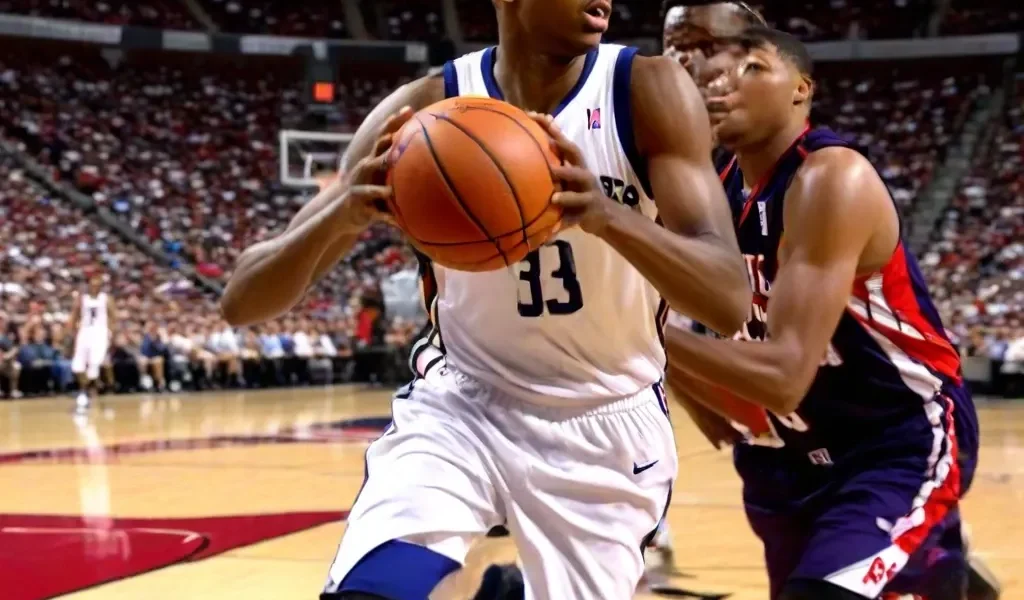
The NBA Summer League: a whirlwind of buzzer-beaters, unexpected breakouts, and jaw-dropping athleticism. It’s a place where dreams are forged and potential is put to the ultimate test. The energy of the Summer League is undeniable, a raw glimpse into the future of the NBA. Think back to players who stunned in the league, showcasing an unforeseen brilliance that hinted at the stars they would become. Or, contrastingly, remember the highly anticipated prospects who stumbled, their transition to the professional level proving more challenging than imagined. This is the beauty, and the beast, of the Summer League.
Summer League is not always that serious, however it serves as a crucial first look at the newest crop of NBA talent. It’s easy to get caught up in the highlight reels and overreact to individual performances, but the real value lies in identifying players with the skills, work ethic, and mentality to succeed in the long run. For years, I’ve immersed myself in film, stats, and on-court observation to evaluate these emerging stars. My intention with this piece is to provide an expert perspective, cutting through the noise to identify true standouts and potential disappointments. Prepare for an in-depth look beyond the box scores, focusing on the nuanced aspects of rookie performance that offer genuine insights into their NBA futures.
Understanding the NBA Summer League
The NBA Summer League is more than just basketball in the summertime; it’s a crucial proving ground for rookies, sophomores, and players vying for a coveted spot on an NBA roster. Think of it as a high-stakes audition mixed with a developmental training camp. Its primary purpose is to provide a platform for teams to evaluate talent, experiment with different lineups, and allow young players to gain valuable experience in a competitive environment.
The Summer League format typically involves teams playing a handful of games over a week or two. The rules can be a bit different from the regular season, sometimes featuring shorter quarters or unique scoring systems designed to encourage offensive play. This distinct environment often leads to a faster pace and higher scoring games compared to what fans are accustomed to seeing during the NBA season.
It’s vital to remember that Summer League performance should be viewed within its proper context. The intensity is different, defensive schemes are often simpler, and the focus is primarily on individual development rather than team-oriented strategies. The sample size is small, and judging a player’s long-term potential solely on their Summer League showing is misleading. The true value lies in observing a player’s skill set, work ethic, and how quickly they adapt to the NBA level of competition. It’s about spotting potential and identifying areas for growth, not necessarily predicting future All-Stars.
Top Rookies to Watch: Pre-Summer League Expectations
The NBA Summer League is almost here, and all eyes are locked on the newest crop of rookies. Forget the veterans for a minute; this is where legacies begin, or at least where first impressions are forged. This year’s class is bursting with potential, and a few names are already generating serious buzz. Let’s dive into some of the top rookies carrying the weight of expectation as they head into their first taste of NBA action.
First up, we have to talk about Cooper Flagg. The projected number one pick in the 2025 NBA Draft, Flagg reclassified to enter college a year early. His athleticism and defensive prowess are already NBA-ready. Scouts rave about his motor and competitiveness. Summer League will be his chance to showcase his offensive development, particularly his jump shot. Think a young Andrei Kirilenko with a bit more offensive upside – that’s the hope, anyway.
Next, keep an eye on Dylan Harper. A combo guard known for his scoring ability and playmaking skills, Harper has the tools to be a dynamic offensive threat. His size and strength allow him to attack the basket effectively, and he’s shown flashes of being a capable distributor. However, consistency has been a concern. Summer League will be crucial for Harper to prove he can handle the speed and physicality of the NBA game and make sound decisions with the ball in his hands. There is a level of uncertainty about his skillset; will he be as good as some experts say?
Finally, don’t sleep on VJ Edgecombe. He is an explosive athlete with a knack for scoring to get excited about. Edgecombe’s ability to get to the rim and finish above the defense is undeniable, and he shows potential as a versatile defender. The knock on Edgecombe is his raw skill set and decision-making. Summer League is a golden opportunity for him to demonstrate his willingness to learn and refine his game. The team that selects him will want to see him refine some unpolished skills.
These rookies, along with many others, face the pressure of enormous expectations. Summer League is not the be-all and end-all, but it provides a crucial platform to showcase their skills and adjust to the NBA landscape. Prepare for highlight-reel plays, surprising performances, and maybe even a few draft-night steals emerging as potential stars.
Standout Performances and Surprises
NBA Summer League is often a platform where future stars begin to shine, however, it also serves as an arena for unexpected breakout performances. These are the players who defy pre-draft expectations, seizing the opportunity to showcase hidden talents and potential. This year’s Summer League was no exception, with several rookies exceeding projections and generating buzz throughout the league.
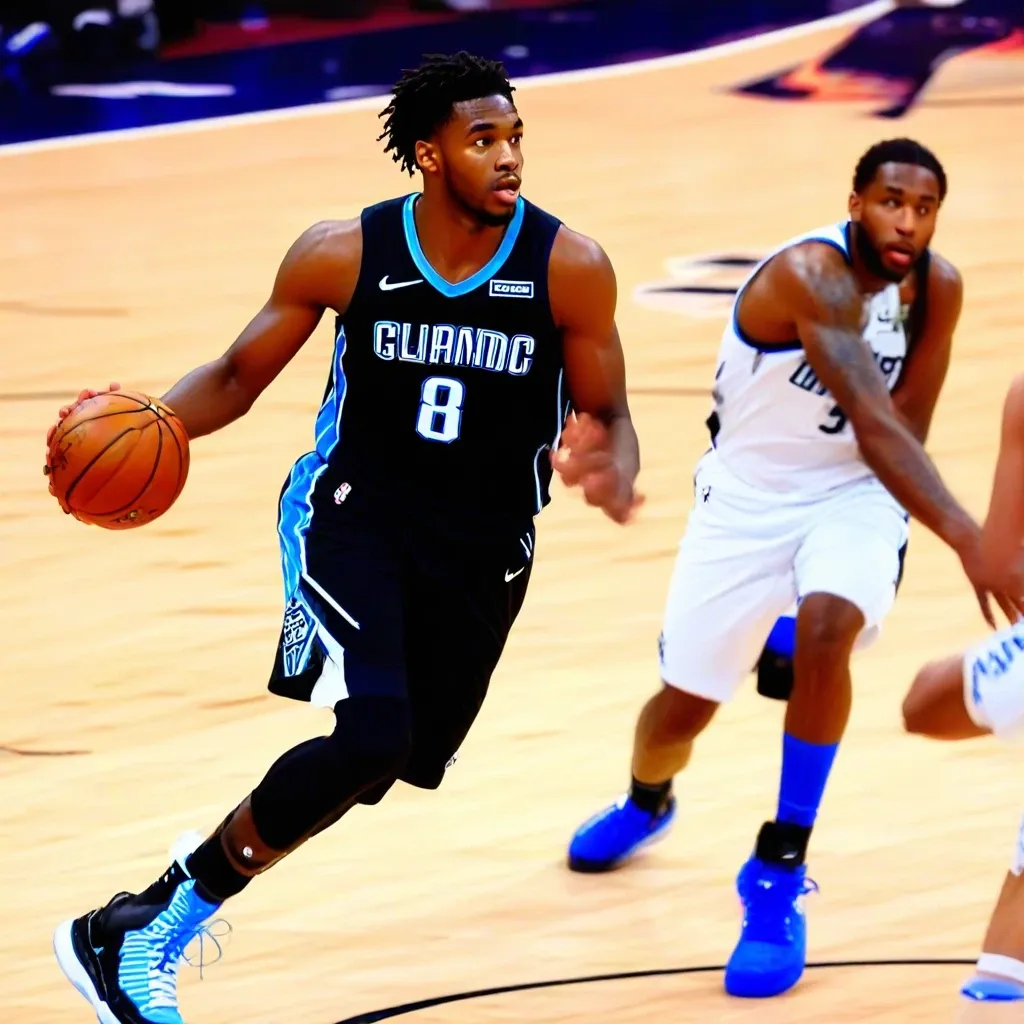
One prime example is Jase Richardson of the Orlando Magic. While projected as a late first-rounder, Richardson impressed with his scoring ability and perimeter shooting. Averaging 16.5 points while shooting 50 percent from beyond the arc in limited action, he demonstrated a level of offensive polish that exceeded expectations. Analysts noted his on-ball speed and balance, as well as his knack for creating separation and lofting passes over defenders. Richardson’s performance suggests he could quickly become a valuable rotational piece for the Magic.
Another rookie who turned heads was David Jones-Garcia of the San Antonio Spurs. Jones-Garcia displayed a scoring prowess rarely seen in Summer League, combining volume with remarkable efficiency. Averaging 21.6 points with shooting splits of 52.7/52.9/92.3, he left scouts and executives impressed. His ability to score from all three levels, coupled with his rebounding and playmaking, hinted at a potential steal for the Spurs.
Undrafted free agents Chris Youngblood and Mady Sissoko of the Oklahoma City Thunder also had moments to shine. Youngblood showcased his ability to knock down shots from beyond the arc, while Sissoko impressed with his rebounding and interior defense. These players remind us that Summer League success isn’t just about the lottery picks, as it’s also about players finding a way to stand out.
These standout performances underscore the value of Summer League as a proving ground for young players. It’s a chance for them to gain confidence, refine their skills, and demonstrate their potential to contribute at the NBA level. While box scores provide some insights, it is important to look beyond the numbers and evaluate the impact of the players.
Areas for Improvement and Concerns
Summer League is a proving ground, but it also throws rookie weaknesses into sharp relief. While flashes of brilliance capture headlines, extended play also exposes areas demanding immediate attention.
One recurring theme across Summer League squads involves turnovers. The combination of heightened pace and unfamiliar teammates often leads to rushed decisions and sloppy ball-handling. Many rookies struggle to balance aggressive playmaking with careful possession, resulting in preventable errors. Defensive lapses are another common sight. Adapting to the speed and complexity of NBA-style offenses requires discipline and anticipation, something rookies often lack early on. Getting caught out of position, misreading rotations, and struggling with on-ball defense are typical rookie struggles.
Inconsistent shooting plagues even the most highly touted prospects. The pressure of performance, coupled with fatigue and defensive intensity, can disrupt shooting form and decision-making. Streaky performances are almost guaranteed, highlighting the need for consistent practice. Some players also struggled with foul trouble, a problem that can limit playing time and aggressiveness on both ends of the floor
For example, a few highly-regarded rookies struggled with their shot selection, forcing contested shots early in the shot clock. While their athleticism and scoring potential are undeniable, improving their shot selection could unlock another level in their offensive games. It’s worth remembering that similar concerns surrounded prior Summer League standouts. Their early struggles didn’t prevent those players from developing into key contributors.
Rookie development is not a straight line. Setbacks and plateaus are inevitable. Summer League provides a crucial opportunity to identify and address weaknesses early, setting the stage for continued growth throughout the season and beyond. The key for these young players is to embrace the development process, learn from their mistakes, and remain committed to refining their skills.
Summer League Takeaways and Regular Season Projections
The NBA Summer League is a whirlwind of excitement, offering a tantalizing glimpse into the future of the league. While it’s crucial not to overreact to Summer League performances, it does provide valuable insights into a rookie’s strengths, weaknesses, and overall readiness for the NBA. Translating that potential into regular-season production is the real challenge. Here’s a look at some key takeaways and informed projections for how a few of the standouts from this year’s Summer League might fare in the upcoming NBA season.
Making accurate projections involves more than just looking at box scores. It is about understanding a player’s skill set and how it fits within their team’s system. It also means assessing their potential weaknesses and the areas they need to improve. Sometimes, the eye test is more revealing than any statistic. For instance, a player’s poise under pressure or their ability to make quick decisions can be a strong indicator of future success.
Consider the team context as it is a crucial factor. A rookie on a rebuilding team with ample playing time will have more opportunities to shine (and struggle) compared to a rookie buried on a deep roster. A player’s role within a team’s offensive and defensive schemes also significantly impacts their production. A gifted scorer might struggle if they are not given the freedom to create their shots, while a defensive specialist might thrive if placed in a system that maximizes their strengths.
Past experiences in evaluating player potential can shape our expectations. There are examples of players who flashed brilliance in Summer League but failed to make an impact in the regular season, and vice versa. One must consider Summer League as one data point among many. The ability to adapt, learn, and improve throughout the season is a key indicator of long-term success. Summer League success is exciting, but translating potential into consistent production is what separates the future stars from the fleeting flashes.
Conclusion
The NBA Summer League is a whirlwind of highlight-reel plays, unexpected performances, and a first glimpse into the potential of the league’s newest rookies. While it’s easy to get caught up in the hype and declare the next superstar after just a few games, it’s crucial to remember the context. Summer League is a unique environment – a testing ground where players are adjusting to the NBA game, experimenting with their skills, and often playing in unfamiliar roles.
Evaluating rookie performances in Summer League requires a nuanced approach. Raw stats tell only a fraction of the story. Factors like court awareness, decision-making under pressure, defensive effort, and overall fit within a team concept are equally, if not more, important. Some players might explode onto the scene with dazzling scoring displays, while others might quietly showcase their potential through solid, all-around contributions. Keep an eye on these players as the season progresses, since they might become future stars.
The 2025 rookie class has already provided a tantalizing glimpse into the future of the NBA. There were flashes of brilliance, moments of struggle, and plenty of learning opportunities for everyone involved. As these young players transition to the regular season, it will be fascinating to watch their development and see who rises to the occasion. Summer League served as an initial introduction; the real test begins now.
So, while we temper our expectations and avoid making hasty judgments, let’s maintain our excitement for the potential of these NBA prospects. The journey from rookie to established star is a long and winding road, filled with challenges and triumphs. Continue following their progress, paying attention to their growth and adaptation throughout the NBA season.
Ultimately, when assessing a rookie’s potential, I value adaptability and willingness to learn the most. Raw talent can only take a player so far. But the ability to adjust to the speed and complexity of the NBA game, combined with a hunger to improve and a coachable attitude, often separates future stars from those who flame out early. The Summer League showed us who possesses some of those qualities, and it will be exciting to see it validated throughout the season.