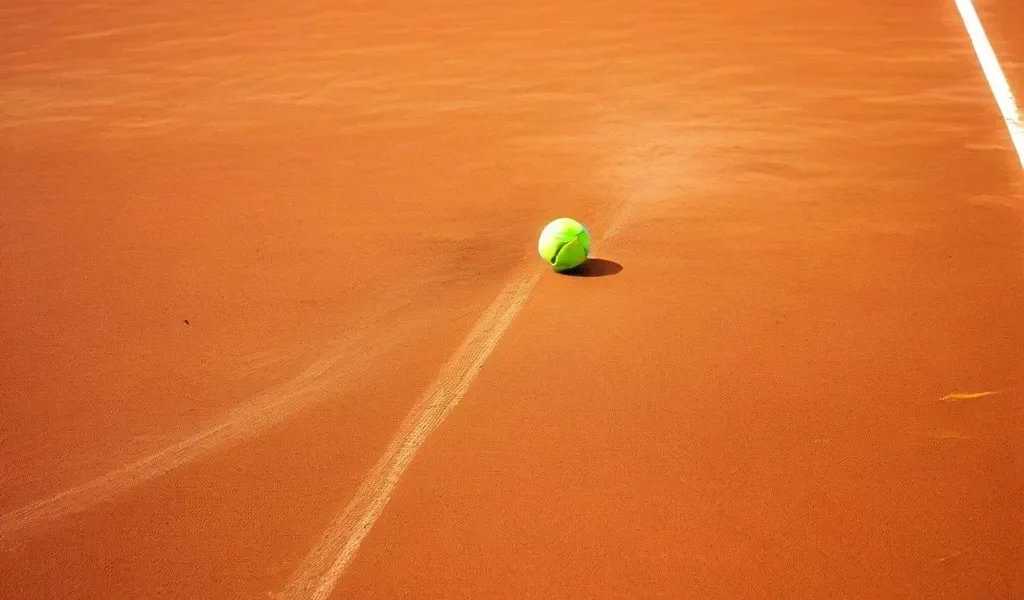
The ATP Monte Carlo Masters. The event conjures images of sun-drenched clay, the vibrant ochre contrasting against the azure Mediterranean. It’s more than just a tournament; it’s a spectacle where artistry meets athleticism on a surface revered for its unique demands. The signature sliding, the unpredictable bounces, the sheer grit—it’s all part of the clay court mystique.
But what truly makes these courts so special? The answer lies, in large part, to the seemingly simple, yet critically important element of rock dust. This finely ground material is not just sprinkled on top; it’s integrated into the very fabric of the court, influencing everything from ball behavior and player movement to the court’s overall longevity. Think of it as the secret ingredient, the silent guardian of the clay court experience.
I know firsthand the magic—and the meticulous work—that goes into preparing and maintaining a world-class clay court. It’s an exercise in precision, where the right balance of materials and techniques yields exceptional results. Join me as we delve into the fascinating world of rock dust and uncover its vital role in shaping the courts of the ATP Monte Carlo Masters. Prepare to discover the secrets behind the surface, and gain a new appreciation for the art of clay court mastery.
What is Rock Dust and Why is it Used?
Rock dust, in the context of clay courts, is a fine powder composed of crushed rock. It’s not just any dirt; it’s specifically selected and processed to create the ideal playing surface. Think of it as the cosmetic finish and functional backbone of a well-maintained clay court. This isn’t your average garden soil; it’s a carefully engineered material.
The use of rock dust has historical roots, evolving from the need to create playable tennis surfaces from naturally available materials. The practice likely began in areas where suitable clay was abundant, but required amendment to achieve the desired playing characteristics. Over time, the selection and processing of rock dust became more refined, leading to the specialized products we see today.
But why go to all this trouble? The primary reasons are multifaceted. Rock dust improves drainage, preventing the court from becoming a soggy mess after rain. It provides a consistent playing surface, ensuring predictable ball bounce and player footing. The color of the rock dust enhances visibility, making it easier for players to track the ball. Perhaps most importantly, it prevents the clay from compacting too much, maintaining the court’s resilience and preventing injuries.
The particle size of rock dust is crucial. It needs to be fine enough to fill the voids between the larger clay particles, creating a smooth, even surface, but not so fine that it becomes dusty and easily blown away. The specific properties of the rock dust, such as its mineral composition and hardness, directly impact its performance. For example, harder rock dust will resist wear and tear better than softer varieties, leading to a longer-lasting court surface. It’s a balancing act, finding the right material and particle size to optimize the playing experience.
Types of Rock Dust
Not all rock dust is created equal. Different types of rock are used, each with its own unique characteristics. Crushed shale is a common option, known for its ability to bind well with clay. Crushed basalt, a volcanic rock, is another popular choice, offering excellent durability and a distinctive dark color. The specific type of rock used will depend on factors such as local availability, cost, and the desired playing characteristics of the court. The composition impacts everything from the court’s color and drainage to its overall resilience and longevity. Choosing the right rock dust is a crucial first step in creating a top-quality clay court.

The Science Behind Rock Dust’s Benefits
Optimal Ball Bounce and Spin
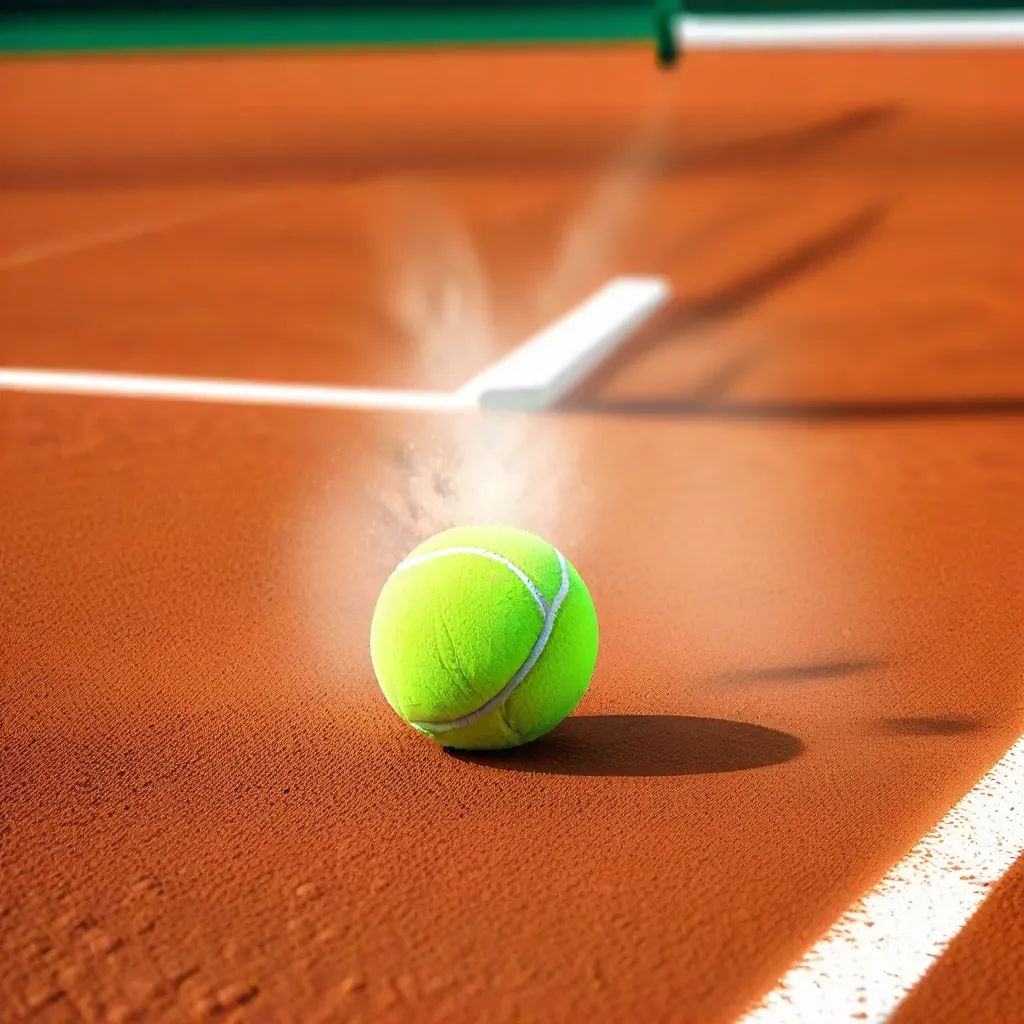
Rock dust plays a pivotal role in dictating the characteristics of ball behavior on a clay court. The introduction of rock dust into the clay composition directly influences ball dynamics, specifically affecting both the bounce and the spin. The angular grains of rock dust interlock with the clay particles, creating a surface with a unique texture. This texture impacts the coefficient of restitution upon ball impact, which determines how much energy is returned to the ball, affecting its speed and trajectory off the bounce. Finer rock dust allows the ball to grip the surface more effectively upon impact. This grip translates to an increased capacity for players to impart spin on the ball. The increased friction forces generated between the ball and the court’s surface allow for a greater transfer of rotational energy, leading to enhanced topspin or slice. Players are able to execute shots with greater control over the ball’s trajectory and spin rate. Because of the rock dust, aggressive topspin becomes a potent weapon, and players can dictate play by controlling the ball’s movement after the bounce.
Application and Maintenance: An Expert’s Guide
Maintaining a clay tennis court involves a blend of art and science, with rock dust application and upkeep at its core. The goal is to create a consistent, playable surface that meets the demands of the sport while withstanding the elements. Proper application and regular maintenance are crucial for achieving this balance.
Best Practices
Effective rock dust application begins with surface preparation. Before applying any new material, the court should be thoroughly cleaned, removing any debris, leaves, or loose clay. Next, lightly water the surface – this helps the rock dust bind to the existing clay base. Using a spreader ensures an even distribution of the rock dust across the entire court. Avoid dumping piles of dust in one area, as this can lead to uneven bounce and inconsistent footing. After spreading, use a drag brush or broom to work the dust into the surface, filling in any low spots and creating a smooth, uniform layer. Regular brushing is vital for maintaining the court. A few minutes of brushing after each use prevents the formation of hard spots and helps redistribute the rock dust evenly. Watering is equally important; a lightly dampened court plays better and lasts longer than one that is dry and dusty. Rolling the court periodically, especially after heavy use or rain, helps to compact the surface and maintain its levelness.
Common Misconceptions and Mistakes
Several misconceptions surround rock dust usage on clay courts, leading to potential problems if not addressed. One common myth is thinking of rock dust as just ‘red dirt.’ It’s a specifically graded material, and its properties directly influence the court’s playability. Failing to recognize this difference can result in selecting the wrong material. For example, not all red dirt is suitable to keep a tennis clay court in top conditions. Also, red dirt could contaminate the rock dust during the spread process.
Another frequent mistake is the assumption that more rock dust is always better. Over-application can lead to a surface that is too soft, creating inconsistent bounces and increasing the risk of injury. The correct amount of rock dust is crucial; too much will not only ruin the tennis match, players condition will be at risk.
Using the wrong type of rock dust is a recipe for disaster. Different rock dusts have varying particle sizes and mineral compositions, each affecting drainage, compaction, and the overall playing characteristics of the clay court.
To avoid these pitfalls, understanding the specific requirements of your clay court and the properties of the rock dust you are using is essential. Before applying any rock dust on court, it’s important to test the product. It is important to use the correct amount of rock dust and spread it with the appropriate techniques.
The Future of Rock Dust in Clay Court Technology
The future of clay court technology is poised for exciting advancements, particularly in the realm of rock dust. Innovation is key as the industry seeks more sustainable and high-performance solutions. Traditional rock dust, while effective, can be improved upon with cutting-edge material advancements.
One promising avenue is the exploration of environmentally friendly alternatives. Imagine rock dust composed of recycled materials or sourced from sustainable geological formations. These options could significantly reduce the environmental footprint of clay courts, aligning with a growing global emphasis on sustainability.
Beyond material sourcing, the application of nanotechnology holds immense potential. Nano-materials could be integrated into rock dust to enhance its binding properties, improve drainage, and increase resistance to wear and tear. Specialized coatings could also be developed to protect the surface from the elements and minimize dust migration.
These advancements could lead to clay courts with superior playing characteristics – consistent bounce, predictable slide, and reduced risk of injury. Furthermore, enhanced durability would translate to lower maintenance costs and longer court lifespans. The tennis court future could be changed by novelties that are coming in the rock dust technology.
Personally, I find these possibilities incredibly exciting. The fusion of sustainability and cutting-edge technology could revolutionize the clay court experience, benefiting both players and the environment. It will be interesting to see how these innovations unfold in the years to come.
Conclusion
Final Thoughts
In summary, rock dust is indispensable for maintaining clay courts, especially those used in high-profile tournaments like the Monte Carlo Masters. Its impact spans across player performance, court longevity, and overall visual appeal. By leveraging the insights shared, dedicated groundskeepers and tennis enthusiasts can elevate their clay court maintenance practices. Ultimately, rock dust remains a cornerstone of clay court tennis, ensuring optimal playing conditions and preserving the legacy of this beloved surface.